Drywall installation Berthoud
Priority ServiceDrywall installation creates the smooth wall and ceiling surfaces that every finished room depends on. For remodels, basement build-outs, room additions, and interior reconfigurations, this service covers measuring, hanging, fastening, and preparing drywall panels for the next finishing steps. Proper installation matters for straight seams, solid attachment, clean corners, and a surface that will hold up well under paint, texture, trim, and everyday use.
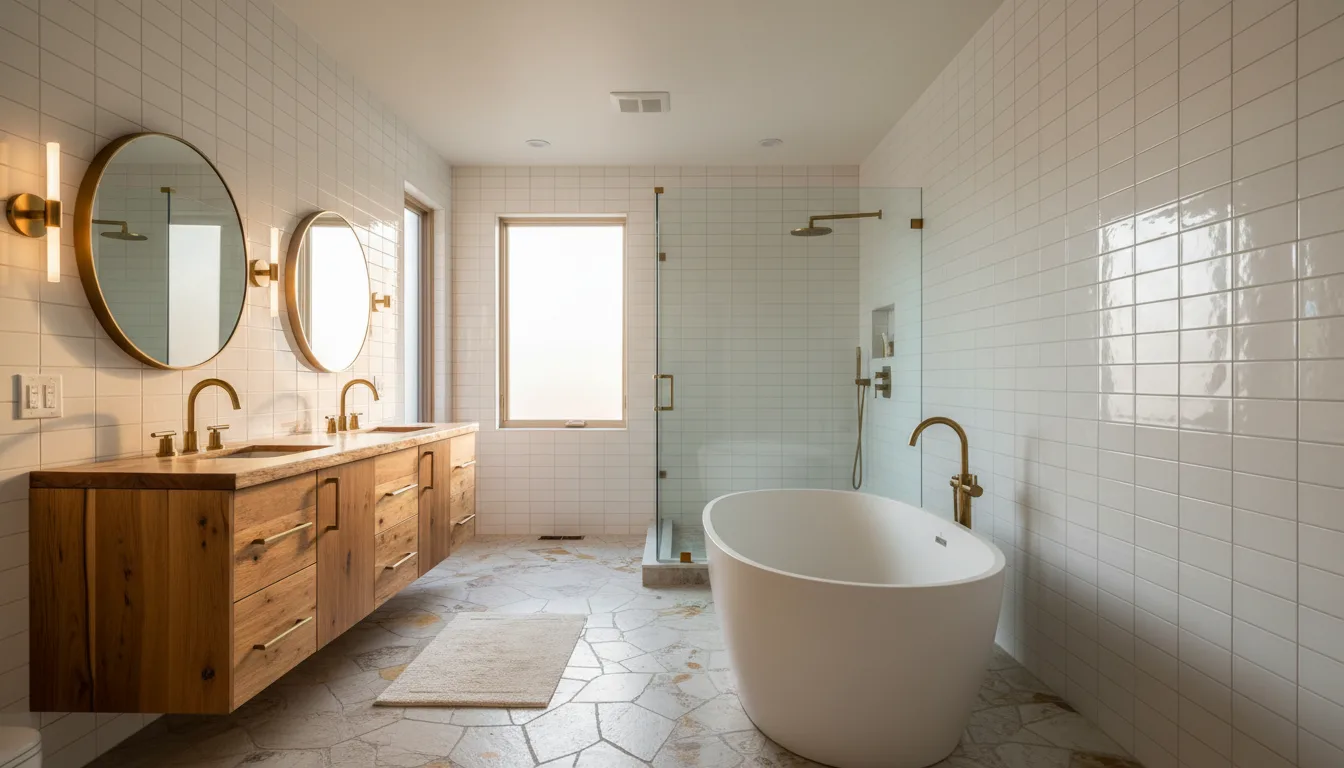
Drywall installation is the foundation of a clean, durable interior finish. Whether you are opening up a space, framing new rooms, finishing a basement, or replacing damaged wall sections, properly installed drywall helps create straight planes, stable corners, and reliable surfaces for taping, mudding, texturing, and painting. The work typically includes measuring the area, selecting appropriate panel sizes and thicknesses, cutting around outlets and fixtures, fastening sheets securely to framing, and laying out seams to reduce visible lines and weak points.
Good drywall installation is not just about getting sheets onto the wall. Panel orientation, screw placement, edge support, cut accuracy, and fit around ceilings, doors, windows, and mechanical penetrations all affect the final appearance. Poor installation can lead to cracked joints, popped fasteners, uneven surfaces, and extra finishing work later.
For homes and properties in Northern Colorado, drywall installation often needs to account for additions, garage conversions, basement spaces, repairs after plumbing or electrical work, and transitions between old and new framing. A careful installation process helps the finished surface look more uniform and makes follow-up finishing and texture work more predictable. When done correctly, drywall installation sets up the rest of the project for a cleaner, more professional result.
Why You Need Drywall installation
Signs You May Need This Service
- You have new framing with no finished wall surface
- A remodel opened walls or ceilings
- Large drywall sections were removed for repairs
- Basement or garage areas are being finished
- Existing drywall is too damaged to patch
Our Process
Measure layout to reduce waste and awkward seams
Cut panels for outlets, windows, doors, and fixtures
Fasten sheets securely to framing with consistent spacing
Stagger seams where possible for a cleaner finish
Prepare corners and joints for finishing work
Pro Tip
Before any drywall goes up, verify stud spacing and mark stud locations clearly on the floor or adjacent surfaces. It also helps to check that plumbing and electrical rough-ins are finished and photographed for future reference.
This matters most during remodels and basement finishing, where hidden framing or last-minute rough-in changes can slow the job and create avoidable patchwork later.
⚠ Do not install drywall over unresolved moisture issues, bowed framing, or unfinished electrical and plumbing work.
Local Insights
Across Windsor, Fort Collins, Loveland, Greeley, and surrounding Northern Colorado communities, drywall installation is often needed for basement finishing, room reconfigurations, and repairs after trade access. Seasonal dryness and normal framing movement can make clean fastening and seam layout especially important for a stable finished surface. In foothill and mountain-adjacent areas like Estes Park, material handling and access conditions can also affect installation planning.
Content reviewed by Mike Moen, Construction Guru LLC. Quality drywall installation is typically judged by panel alignment, secure fastening, tight joints, and how well the surface supports later finishing and paint.
Pricing Factors
- Total square footage and ceiling height
- Number of cuts around openings and utilities
- Accessibility of the work area
- New construction versus selective replacement
- Panel thickness and moisture-resistant material needs